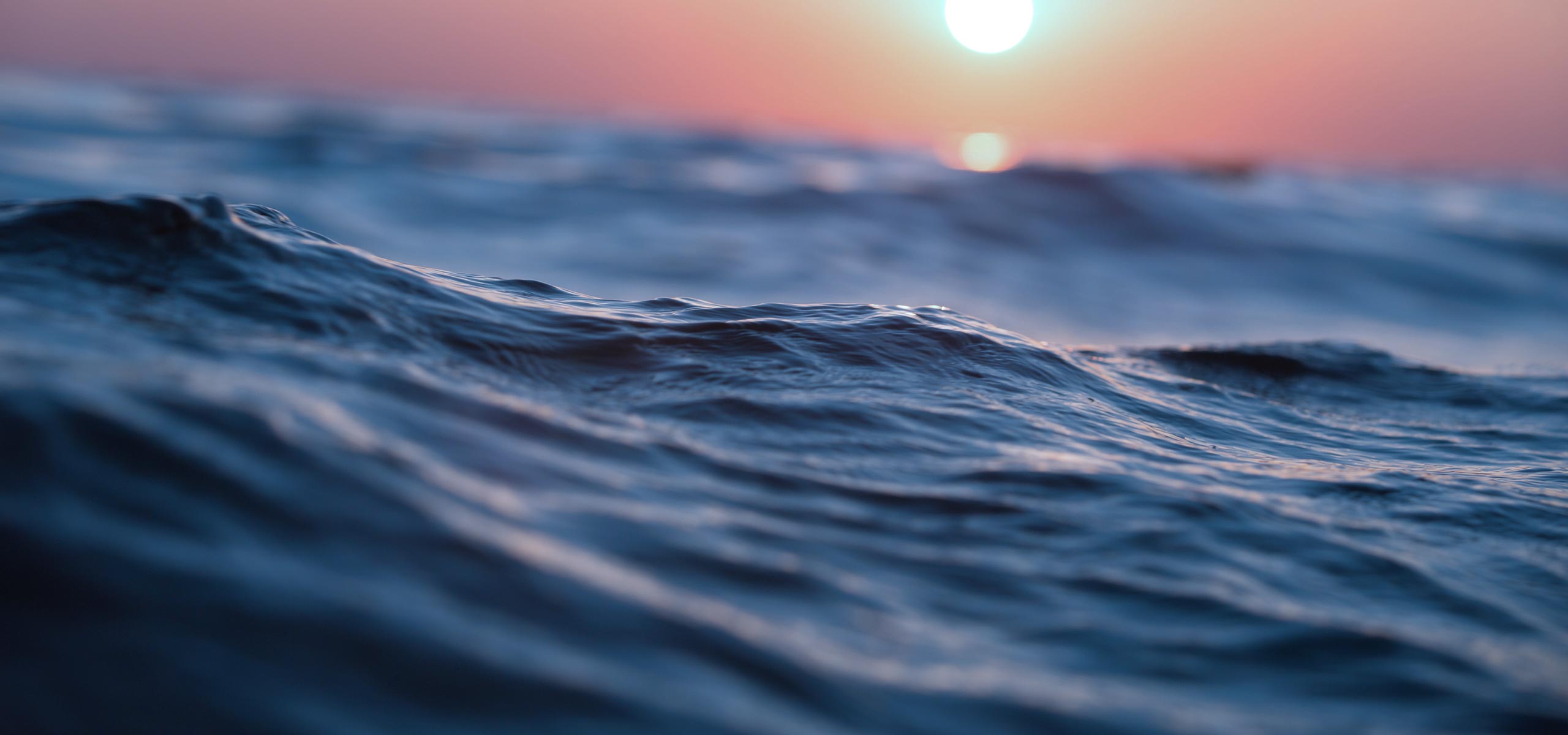
- Abundant fortunes arrive alongside the lucky wave for hopeful ocean enthusiasts
- The Science Behind Wave Formation and Predictability
- Cultural Significance of Waves Across Different Civilizations
- The Role of Waves in Spiritual Practices
- Surf Culture and the Quest for the Perfect Ride
- Economic Impacts Linked to Wave-Dependent Activities
- Looking Ahead: Protecting Our Wave Resources
Abundant fortunes arrive alongside the lucky wave for hopeful ocean enthusiasts
The ocean, a vast and powerful entity, has captivated humanity for millennia. Its rhythmic pulse, the crashing of waves, and the sheer scale of its depths evoke a sense of wonder and, for some, the anticipation of fortune. Throughout history, seafarers and coastal communities have spoken of favorable omens, moments when the ocean seems to bestow blessings upon those who respect its power. This feeling culminates in the pursuit of a lucky wave – a confluence of natural occurrences believed to bring positive change and opportunities.
But what constitutes a lucky wave? It's more than simply a particularly large or aesthetically pleasing swell. It’s a concept imbued with cultural significance, tied to beliefs in the ocean’s spirit and the potential for prosperity. Different cultures have their own interpretations, from specific wave patterns associated with good fishing hauls to the occurrence of rare marine life sightings signaling abundance. For surfers, a lucky wave represents the perfect ride, a momentary connection with nature’s energy that transcends the physical act of wave-riding. Beyond surfing, for many, viewing a pristine, powerfully breaking wave evokes a sense of optimism and revitalisation. The allure of the ocean’s gifts continues to draw people to its shores, hoping to experience the magic of that auspicious moment.
The Science Behind Wave Formation and Predictability
Understanding how waves are formed is key to appreciating the seemingly random nature, and potential predictability, of encountering a particularly rewarding one. Waves aren’t born solely from the immediate wind; much of their energy originates from distant storms. These storms generate swells – long-period waves that travel across thousands of miles of open ocean with relatively little energy loss. As these swells approach shallower coastal waters, they interact with the seabed, causing them to slow down, increase in height, and eventually break. This process is significantly influenced by the bathymetry – the underwater topography – of the coastline.
Predicting wave conditions has advanced significantly in recent decades, thanks to sophisticated weather models, satellite observations, and buoy networks. These tools allow meteorologists and oceanographers to forecast wave height, period, direction, and frequency with increasing accuracy. While pinpointing the exact moment a ‘lucky wave’ will arrive remains challenging, these predictions provide valuable insights for surfers, sailors, and coastal communities. Analyzing these forecasts can help one determine locations and times most conducive to encountering ideal conditions, increasing the chances of a positive oceanic experience. The complexities of ocean currents, wind patterns, and local geographical features, however, ensure that a degree of unpredictability always remains.
| Wave Height | The vertical distance from the trough (lowest point) to the crest (highest point) of a wave. |
| Wave Period | The time it takes for two successive crests to pass a fixed point. Longer periods generally indicate more powerful waves. |
| Wave Direction | The compass direction from which the wave energy is traveling. |
| Wave Frequency | The number of waves that pass a fixed point in a given time. |
The data gathered from these sources allows for the creation of wave models, which attempt to simulate the complex interactions that govern wave behavior. These models are constantly being refined, incorporating new data and improved algorithms, leading to increasingly accurate predictions. Furthermore, local knowledge, accumulated over generations by surfers and fishermen, remains a vital component in understanding the nuances of specific coastlines.
Cultural Significance of Waves Across Different Civilizations
The reverence for waves and the sea is deeply embedded in the folklore and mythology of coastal cultures worldwide. In Polynesian traditions, the ocean is seen as a living entity, with waves embodying the spirits of ancestors and gods. Skilled navigators relied on their profound understanding of wave patterns to guide their voyages across vast expanses of the Pacific Ocean. Certain wave formations were considered auspicious, signaling safe passage or bountiful fishing grounds. Ancient Greeks associated Poseidon, the god of the sea, with the power and unpredictability of waves, often depicting him wielding a trident capable of summoning storms and colossal swells. These mythologies highlight the deep-rooted connection between humans and the ocean, viewing waves not merely as physical phenomena, but as expressions of divine power.
Similarly, Japanese culture holds a significant respect for the ocean and its waves, reflected in the art of ukiyo-e woodblock prints, often depicting dramatic wave scenes like Hokusai's "The Great Wave off Kanagawa." These depictions aren't just aesthetically pleasing; they represent the power and sometimes destructive force of nature, and the importance of respecting its boundaries. Coastal Indigenous communities in North America held ceremonies to appease the spirits of the ocean, believing that favorable waves were a sign of their respect and gratitude for the sea's bounty. These traditions demonstrate a fundamental understanding of the ocean’s vital role in sustaining life and the importance of maintaining a harmonious relationship with it.
The Role of Waves in Spiritual Practices
Many spiritual practices incorporate the symbolism of waves, representing the ebb and flow of life, the cyclical nature of existence, and the constant change that defines the universe. The rhythmic crashing of waves can induce a meditative state, promoting relaxation and a sense of connection to the natural world. Practices such as ocean gazing, or “blue mind” therapy, utilize the calming effects of the ocean to reduce stress and enhance wellbeing. The ocean’s vastness and power can also serve as a metaphor for overcoming challenges and embracing transformation. For some, the ocean is a source of spiritual renewal, a place to connect with inner wisdom and find solace in the face of adversity.
Surf Culture and the Quest for the Perfect Ride
Contemporary surf culture has arguably amplified the pursuit of the “lucky wave”, transforming it into a lifestyle centered around chasing the ultimate riding experience. For surfers, a lucky wave isn't just about size and power; it's about the feeling of weightlessness, the perfect maneuver, and the sheer joy of being in harmony with the ocean. The search for these elusive waves drives innovation in surfboard design, wave forecasting technology, and surf travel. Dedicated surfers spend countless hours studying weather patterns, analyzing swell forecasts, and scouting out hidden breaks, all in pursuit of that perfect, fleeting moment.
The concept of "barrel riding" – being enveloped within the hollow of a breaking wave – embodies the pinnacle of surfing achievement. A perfectly formed barrel offers a temporary sanctuary, a momentary escape from the outside world. This pursuit of perfection fosters a strong sense of community among surfers, united by their shared passion and respect for the ocean. The ethics of wave sharing and responsible surfing also play a crucial role in maintaining a sustainable relationship with this natural resource. New technologies that allow for artificial wave generation are also changing the dynamic, providing access to consistent and controlled wave conditions.
- Enhanced predictability through advanced wave pools
- Increased accessibility for aspiring surfers
- Potential for scientific study and wave optimization
- Reduced reliance on natural swell conditions
However, the artificial wave world also raises concerns about environmental impact and the potential for commercialization to overshadow the authentic connection with the ocean that defines traditional surf culture. Maintaining a balance between innovation and sustainability will be crucial in the future of this sport.
Economic Impacts Linked to Wave-Dependent Activities
Beyond recreational surfing, waves play a significant role in various economic sectors. The fishing industry, for example, relies on understanding wave patterns and currents to locate productive fishing grounds. Safe navigation for commercial shipping depends on accurate wave forecasting and the ability to avoid hazardous conditions. Coastal tourism, a major contributor to many economies, is heavily influenced by wave quality. Beaches with consistent and favorable waves attract surfers, sunbathers, and other tourists, generating revenue for local businesses.
There’s also the emerging field of wave energy conversion, exploring the potential to harness the power of waves to generate electricity. While still in its early stages of development, wave energy technology holds promise as a clean and renewable energy source. The challenge lies in developing cost-effective and durable devices that can withstand the harsh marine environment. As technology advances, wave energy could become a significant contributor to a sustainable energy future. Successful implementation requires careful consideration of environmental impacts and potential disruptions to marine ecosystems.
- Assess environmental impact before deployment
- Develop robust and durable devices
- Optimize energy conversion efficiency
- Secure long-term funding for research and development
The development of infrastructure, such as breakwaters and seawalls, to mitigate wave erosion also represents a substantial economic investment in coastal protection. The maintenance and repair of these structures require ongoing funding and expertise, highlighting the long-term costs associated with managing coastal risks.
Looking Ahead: Protecting Our Wave Resources
As we continue to rely on and enjoy the benefits provided by waves, it’s crucial to prioritize their protection. Climate change poses a significant threat, with rising sea levels and altered weather patterns potentially leading to increased coastal erosion, more intense storms, and shifts in wave climate. Pollution, including plastic waste and chemical runoff, can harm marine ecosystems and negatively impact wave quality. Sustainable coastal management practices, including responsible tourism, marine protected areas, and the reduction of greenhouse gas emissions, are essential for preserving these valuable resources for future generations.
Efforts to restore coastal habitats, such as mangrove forests and coral reefs, can also help to dissipate wave energy and provide natural coastal protection. Investing in research to better understand the impacts of climate change on wave patterns and coastal ecosystems is vital for developing effective adaptation strategies. Promoting public awareness about the importance of wave resources and encouraging responsible ocean stewardship are crucial steps towards building a more sustainable relationship with the sea. Ultimately, recognizing the interconnectedness between human activities and ocean health is paramount to ensuring the continued availability of the lucky wave and all the benefits it represents.